
Bonded Non-Resident Inventory Assortment

CUSTOMER
Industry: A well-known apparel company driving Japanese street culture.
Business Presence: Operates multiple popular brands, with several production bases in China.
Operating Model: Utilizes bonded warehouses in China as global distribution hubs, transitioning from manual operations to advanced robot-based automated sorting.

CHALLENGE
Improving Load and Transport Efficiency: Consolidating cargo from multiple factories at bonded warehouses to maximize container utilization.
Reducing Lead Time: Shortening delivery times from overseas factories to stores in response to strong domestic sales demand in Japan.
Relieving Warehouse Constraints: Addressing space limitations in existing Japanese warehouses by shifting processing activities offshore.
Accelerating Global Supply: Building a faster supply model not only for Japan, but also for rapidly growing third-country markets such as ASEAN.
WE PROVIDE
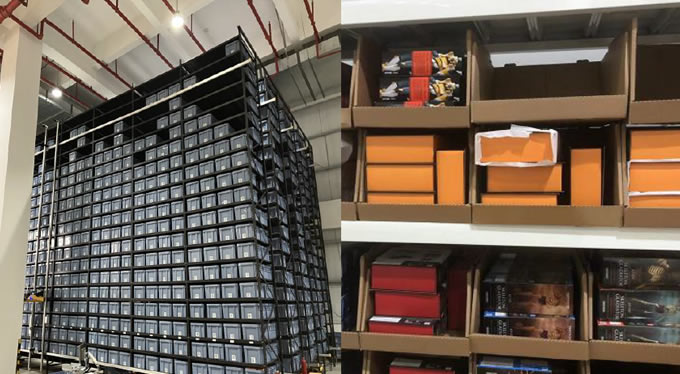
(Phase 1) Strategic use of Non-Resident Inventory Under Bonded Warehouse Schemes: Leveraged China’s bonded zone rule to store inventory under non-resident ownership of Japanese company and enable direct shipments to Japan and third countries, establishing a global hub function.
(Phase 2) Automation with Robotic Sorters: Deployed automated sorting robots within the bonded warehouse to complete store- and country-level piece allocation locally.
Seamless Process Transition: Even after adding automated processes, system integration and optimized workflows ensured no lead-time gap between Phase 1 and Phase 2.
Packaging Cost Reduction: Implemented a “materials-less” operation by reusing original factory cartons for outbound shipments, reducing both costs and environmental impact.
ACCOMPLISHMENTS
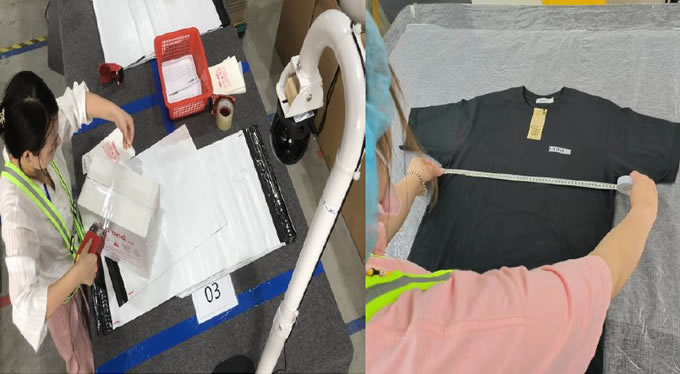
High Processing Capacity: Stable operation of sorting processes handling over 1 million pieces annually.
Optimized Lead Time: Despite adding store-level sorting overseas, maintained fast shipment schedules to Japan.
Dramatic Productivity Gains: Reduced labor input by 50% compared to manual operations, doubling per-person productivity.